Back
Back
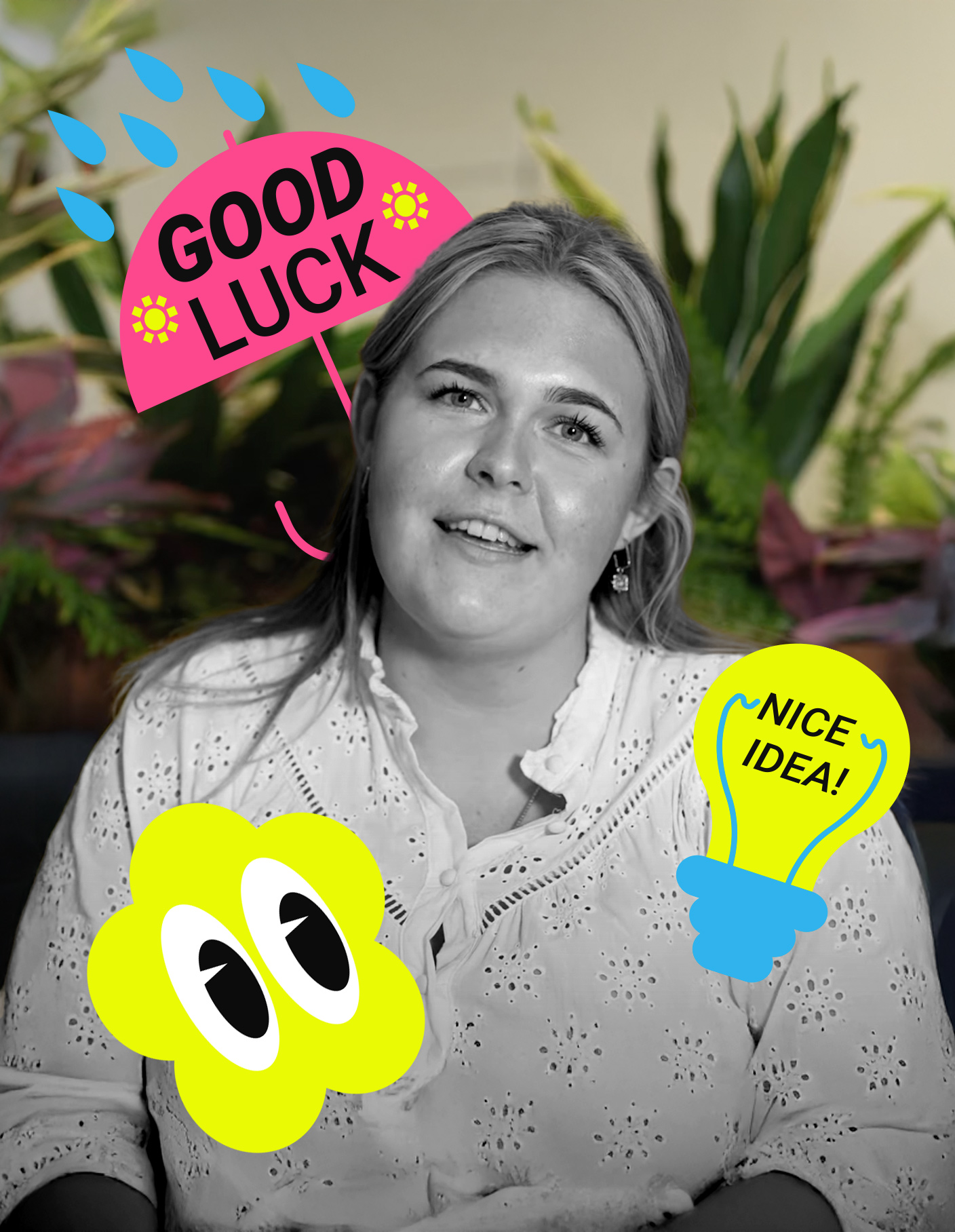
It’s no secret that the current job market is, well, a bit of a mess. Job vacancies are declining and unemployment rates are rising – the UK labour market is undeniably slowing down. But what does this truly mean for emerging talent trying to land their first job with these graduate job search challenges?
At the start of September, we welcomed Ella Headlam, Lucie Kettley and Lucy Turnbull onto TMPW’s Graduate Pathway Programme. However, their journeys from campus to career were far from easy.
From the pressures of applications and setbacks of rejections to the joys of success, our Graduate Associates explore the graduate job search challenges they faced, offering a blend of honest reflection, practical advice, and reassurance.
Is job pressure tarnishing the university experience?
Unless opting for a “gap year” or further study, students are expected to apply and interview for jobs whilst studying, taking exams or simply trying to enjoy the university experience.
And they’re clearly feeling the burden.
Eight in ten students believe they must find a job within six months of graduating – did our grads also feel pressure to apply for jobs whilst at university?
EH: Absolutely. I had friends who were securing grad schemes whilst I still didn’t know what I wanted to do. I didn’t know what was out there, where to look or how to apply. With the stress of third year, I ended up avoiding the topic.
LK: I originally wanted to go onto further study which sheltered me from a lot of job-associated pressures. By the time I decided that it wasn’t the right path for me, university had almost finished. I truly felt the pressure when I moved back home, started applying, and realised how brutal the market is.
LT: Definitely – seeing people around me securing internships or grad schemes made it hard not to compare myself. But, I also knew I needed to move at my own pace and apply when I felt ready rather than rushing into something just because everyone else was doing it.
How competitive actually is the graduate job application process?
We experienced first-hand the steep competition for graduate roles when applications for our Graduate Pathway Programme opened.
Whilst research* suggests that the average employer receives 140 applications per graduate job, we received a staggering 1,000 applications per place on the programme.
*Source: ISE Record graduate job applications, Oct ’24
But none of our graduates succeeded first time, so how many jobs in total did they end up applying for?
EH: I honestly didn’t keep count (which means a lot!)
LK: Potentially around 80
LT: I’d say at least 50
Take this as a reminder of the importance of perseverance and resilience in the graduate job search process.
Is rejection redirection?
“Everything happens for a reason.”
“What’s meant for you won’t pass you.”
We’ve all heard the sayings. But the truth is, graduate job rejection stings. So how did our graduates cope when facing it during the job application process?
EH: I found rejection particularly hard the further down the application process I got. Jobs felt like gold dust, so when I failed at the last hurdle I got really frustrated at myself. However, I’d recommend viewing each rejection as just another step towards landing your perfect role.
LK: It was really tough to get rejected or not hear back from a company, but the hardest part was to never get any feedback explaining why! You just have to keep going. I’d definitely recommend scheduling in days where you don’t apply to give yourself a rest.
LT: When I faced rejection, I tried to see it less as a setback and more as part of the process. Of course it stung at times, but I reminded myself that every application was practice and a chance to refine how I presented myself.
Is receiving a job offer as joyous as it’s made out to be?
Countless applications, interviews and rejections later, you get THE call – “We’d like to offer you the job!”
After such a challenging journey, how did our grads feel when they were offered a place on our Graduate Pathway Programme?
EH: I’d say the overwhelming emotion was relief. Obviously I was unbelievably excited, but it was reassuring to know that I had the capability to secure a role that I truly wanted. TMPW’s grad scheme was the first job application that genuinely excited me, so I felt really lucky that it ended up being the one I got!
LK: Really lucky. I was at the point where I’d begun applying for roles that, in hindsight, wouldn’t have suited me at all. I loved the variety of opportunities TMPW was offering and the assessment centre gave me a good feel for the company culture which is so strong here.
LT: I honestly just felt a mix of relief and excitement. It was a moment where all the effort felt worth it, and it gave me a real confidence boost knowing that someone saw potential in me. And now, actually being in the role, it feels even more worthwhile because I get to be part of such a genuinely lovely team—it really makes all those rejections and challenges along the way feel worth it.
Any advice for navigating graduate job search challenges?
There’s no denying that the graduate job application process is repetitive, competitive and often disheartening.
But it doesn’t have to be stressful.
Before opening graduate intakes, employers must ask themselves:
- Are my candidates supported? Providing a clear point of contact to answer questions or share additional information can make the process far less daunting.
- How transparent am I about the process? Outlining what to expect at each stage can help manage expectations.
- Am I providing feedback? Whether it’s a simple rejection email or an in-depth phone call, feedback is always appreciated. Help applicants understand where they went wrong and improve their chances next time.
- How long is my application process? Applying for a job is always going to be a bit of a waiting game, but there is such a thing as too long. Try to make it as quick as possible.
Whether you’re still in education, struggling with your job search, or interested in applying for our 2026 Graduate Pathway Programme, watch the video below to hear Ella, Lucie and Lucy’s top tips when it comes to applying for graduate roles in today’s competitive job market.