Back
Back 
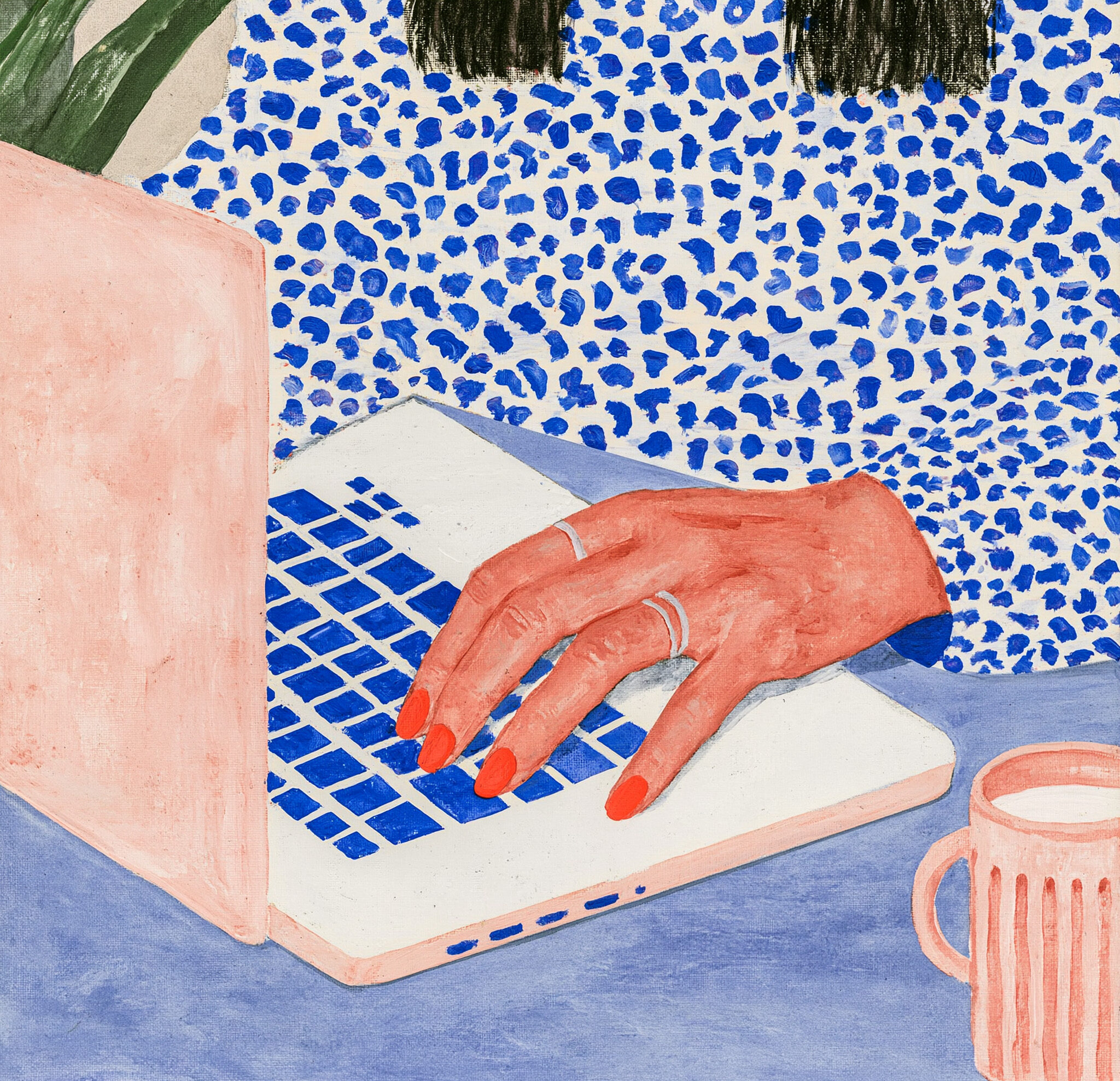
‘Wow, how do you type so fast with only one hand!?’
I looked down at my keyboard and shrugged. We were in the ICT room, writing up our English coursework, under our teacher’s watchful eye. For me – the future copywriter – that meant writing at high speed with a lot of enthusiasm. For the boy sitting next to me (no clue what his job is now), that meant his eyes falling on me – and boredom turning into part curiosity, part awe.
It sounds silly, but it hadn’t really occurred to me that most people use two hands. It was like knowing your nose is there; you only see it if you choose to look.
Most people have a dominant hand – you wouldn’t switch them up mid scrawl. So why do people get two hands out for typing? Bit odd, if you ask me.
I have a mild form of cerebral palsy that impacts the left side of my body. My left-hand struggles to tie laces, pick up heavy objects, count one by one (all fingers come up at once, I can’t fully control them) – and type. My left hand can type – very slowly, with considerable brain power needed, and likely, after all my efforts, a side of pain. So I just don’t. If I’m lucky, the words flow far faster than my left hand could ever type them out.
If creative juices aren’t quite flowing, then my right-hand hovers over the keyboard in stunned thinking mode – but I reckon that happens to us all.
I have always typed one-handed. It has always come naturally and normally to me. So naturally and normally, that I didn’t clock it wasn’t how most people do it – until the boy next to me pointed it out.
The “Mystique” of Adaptations
When we talk about disability in the workplace, “adjustments” or “adaptations” often sound like daunting, expensive, or mysterious hurdles. But my experience as a copywriter proves otherwise.
How does my one-handed typing impact my work? It doesn’t.
You cannot tell one-handed typed copy from two-handed typed copy. The “polished skill” I’ve developed isn’t just about speed; it’s about a unique way of navigating a world built for the “standard.”
Trusting the Expert (The Candidate)
There is a vital lesson here for talent attraction and hiring managers: Disabled people are often the best judges of their own capability.
I have never doubted my ability to deliver, and fortunately, I’ve worked with teams who trusted my results rather than questioned my methods.
Recently, I had to interview my fellow TMPWers for something new – they spoke, and I took notes that tried to keep up with their words (the result was abundant with bad spelling and unofficial abbreviations).
Still, like clockwork, I’d hear the: you type fast!
Each time, I felt an internal knowingness: yeah, I sure do. It’s become a polished skill, something to be quietly proud of, rather than a point of unusualness. I’ve chosen a career that most people rely on two-hands for and I’m getting on just fine with the one.
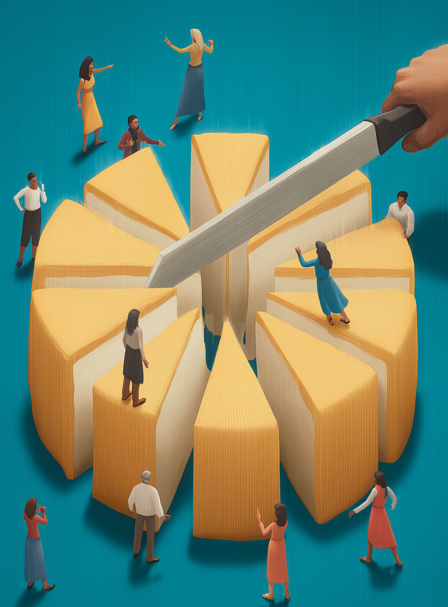
In the race for talent, organisations often overlook brilliant contributors because their “input method” looks different. If the output is exceptional, does the method matter?
Building an Inclusive Gateway
At TMPW, we help organisations strip away the barriers that prevent “one-handed typists” (and everyone else with a non-standard approach) from thriving. Whether it’s through inclusive job descriptions or accessible assessment processes, the goal is the same: focusing on the calibre of the talent, not the mechanics of the task.