Back
Back 

Raising Early Early talent
My six-year-old likes to recite her most favourite picture books. She enjoys relaying facts about history – noting that in Victorian times, toys were made of china and lead paint was poisonous. She brings home queries about the nativity and other religious stories, creating a scrapbook of thought on how the world came to be.
Ballet is a must-do club. But she despises maths. And ICT makes her drowsy.
What we thrived in at school isn’t all that dissimilar. Unsurprising maybe, given the whole mother-daughter thing. The main difference, however, is that I didn’t grow up with AI rising in the backdrop.
The Early Early Talent Pipeline
Working in talent attraction – and as a copywriter frequently asked ‘can’t AI just do your job now?’ – my child’s lack of love for maths and ICT hits differently than it likely did for my parents. In a sense, parenting is the ultimate form of “early early careers” development. We aren’t just raising children; we’re shaping the future workforce.
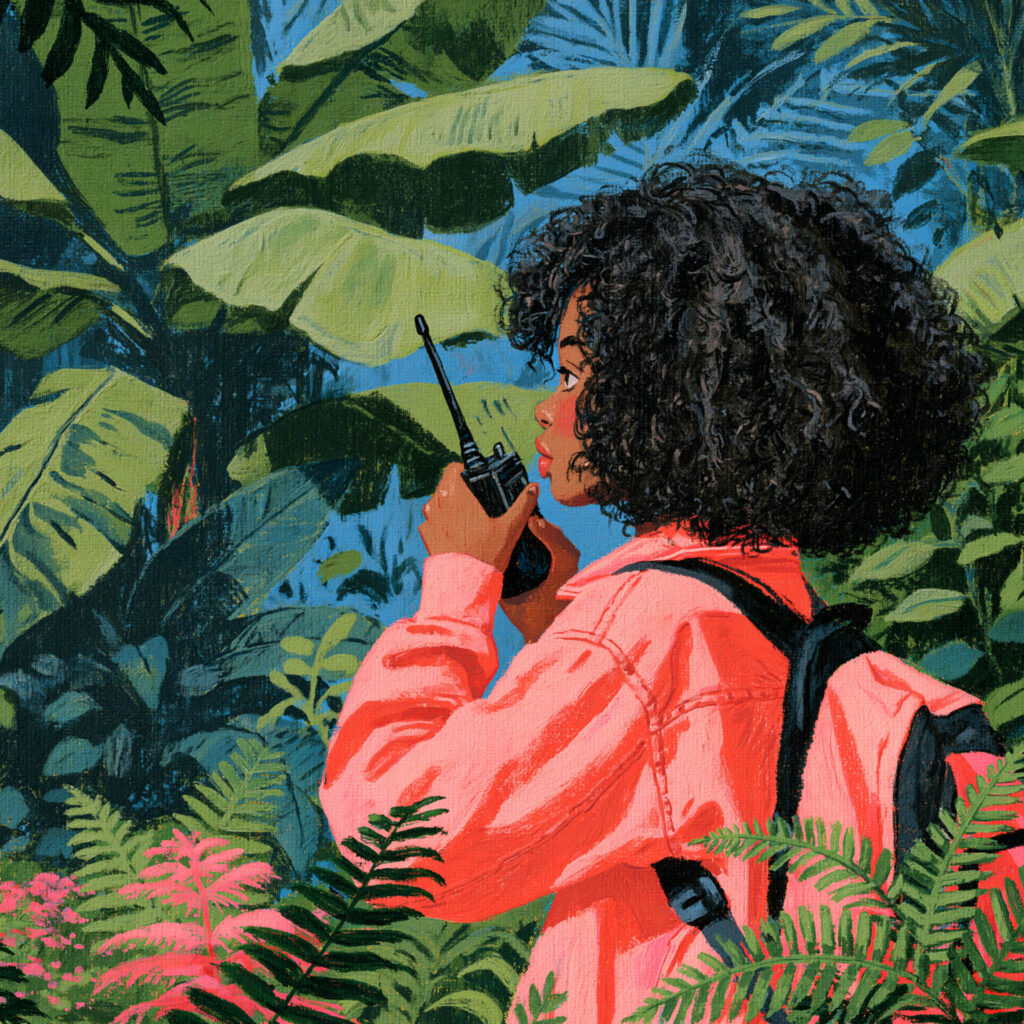
One reassuring thing is how often communication skills are listed as essential in nearly every job ad that I write. The ability to talk, write and – crucially – connect still matters. And let’s not forget that communication is about contextualising, interpreting and relaying the “why” behind the “what”.
Often, trying to feed that nuance into an AI platform is more cumbersome a task than its worth.
From ‘Soft’ Skills to ‘Human’ Skills
Even more reassuringly, the Financial Times wrote an article on how human skills “matter even more” for early consultancy career roles. While polishing up on AI skills is important – and arguably the new baseline – what were once deemed “soft skills” have now been rebranded as human skills:
- Curiosity – The drive to ask “why?”
- Judgment – The ability to spot when an AI-generated cat is actually a dog
- Resilience – The grit to pivot when the tech fails
- Teamwork – The empathy required to build something bigger than an algorithm.

In an AI-enabled environment, these traits are the primary differentiators for school leavers and graduates. AI can handle the repetitive admin that doesn’t absorb the mind, freeing up the next generation to sit and have big thoughts (with snack and coffee breaks encouraged).
Inspiring the Next Generation
I’m not anti AI; it is an incredible tool for the workplace. But I’ll likely pop this into AI, be annoyed by its response, and then send it to a human colleague for review.
We must remind ourselves – and our senior leaders – that human traits make the difference.
Where would we be without curiosity? Judgment, resilience or teamwork?
At TMPW, we see this in action constantly. Our Creative team recently held an event at the Science Museum with the Environment Agency, opening young eyes to careers in environmental sciences. It wasn’t just about the data; it was about sparking the curiosity required to save the planet.
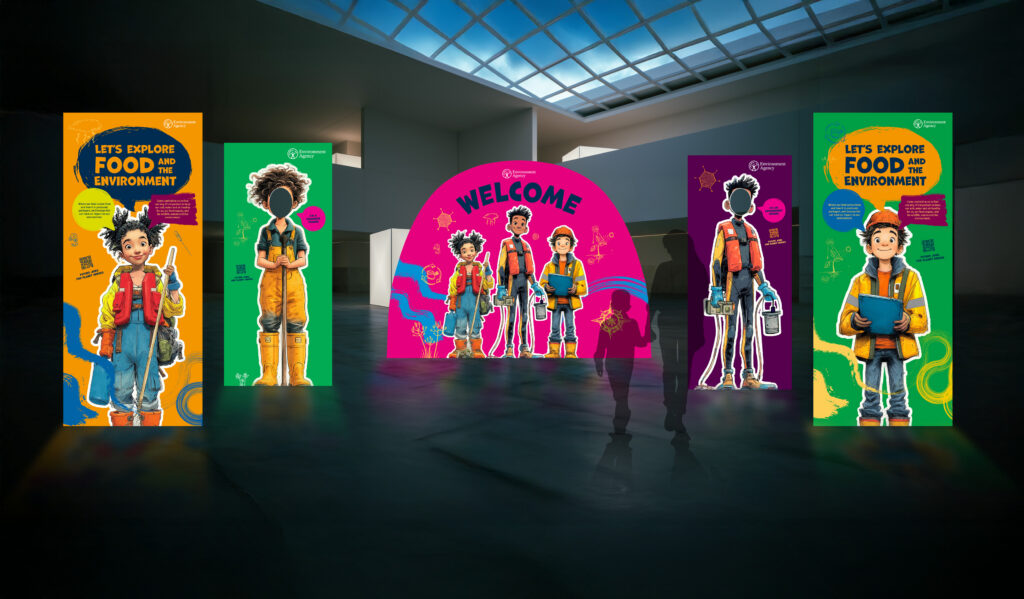
Kids are naturally hopeful. If we nurture that hope with a little direction and champion those human skills, they won’t just survive the AI world, they’ll lead it.
As for my kid, she’s got the curiosity to learn about poisonous lead and the nativity – she’ll be okay.
Click here for more insight on Cracking the Code to Gen Z Talent